Serdar Yalçın
Üroloji

PRP stands for Platelet-Rich Plasma, a treatment derived from a patient’s own blood.
In this process, plasma containing a concentrated number of platelets and growth factors is prepared and used for therapeutic purposes.
When applied for erectile dysfunction (ED), PRP treatment is commonly referred to as the P-Shot®.
In recent years, PRP has gained significant attention as a regenerative medicine approach in sexual health.
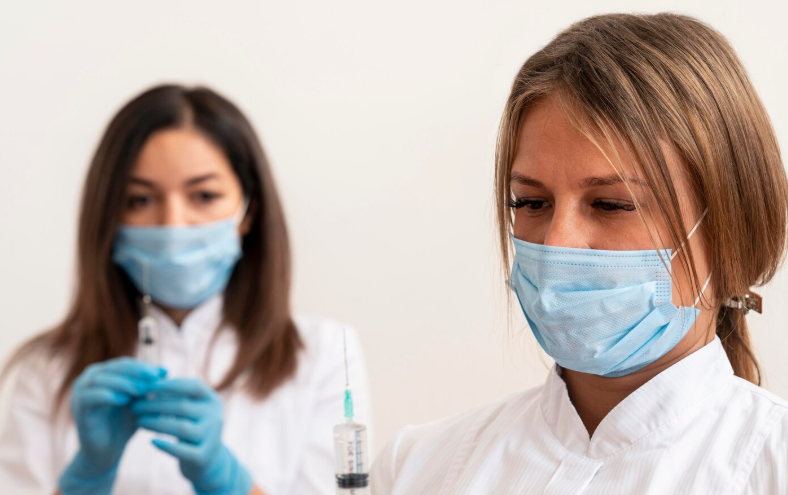
A small amount of blood is collected from the patient before treatment.
Using specialized processing techniques:
Platelet-rich plasma is separated,
Growth factors are concentrated,
The prepared plasma is then used for treatment.
Preparation methods and processing systems may vary among different medical centers.
The primary goal of PRP is not to create an immediate erection.
Theoretical mechanisms include:
Supporting tissue healing,
Stimulating cellular repair processes,
Promoting vascular health,
Encouraging regenerative activity within tissues.
However, the extent to which these biological effects translate into meaningful clinical improvements remains under investigation.
At present, there is no definitive answer.
While some studies have reported encouraging results, the overall body of scientific evidence remains limited.
According to the EAU 2026 Guidelines, regenerative therapies—including PRP—continue to be investigated, and there is currently insufficient high-quality evidence to support their routine clinical use as standard treatment for erectile dysfunction.
Available studies suggest that potential benefits may be greater in men with:
Mild erectile dysfunction,
Vasculogenic (vascular-related) erectile dysfunction,
Early-stage disease.
However, there is currently no clear consensus regarding which patient population is most likely to benefit.
PRP treatment is typically performed in an outpatient setting.
The procedure generally:
Does not require hospitalization,
Does not involve surgical incisions,
Uses the patient’s own blood.
The prepared PRP is then injected into specific areas of penile tissue using specialized techniques.
Local anesthetic techniques may be used to improve comfort during treatment.
Most patients tolerate the procedure well.
Temporary side effects may include:
Mild tenderness,
Swelling,
Bruising.
These effects are usually mild and resolve within a short period.
Current scientific evidence does not allow a definitive answer.
Additional research is needed to better understand:
Bu makalenin DoktorTakvimi web sitesinde yayımlanması, yazarın açık izniyle yapılmaktadır. Web sitesindeki tüm içerikler, fikri ve sınai mülkiyet mevzuatı kapsamında uygun şekilde korunmaktadır.
DocPlanner Teknoloji A.Ş. web sitesi tıbbi tavsiye sunmaz. Bu sayfanın içeriği, metinler, grafikler, görseller ve diğer materyaller de dahil olmak üzere, yalnızca bilgilendirme amacıyla oluşturulmuştur ve tıbbi tavsiye, teşhis veya tedavinin yerini almak amacı taşımaz. Herhangi bir sağlık sorununuzla ilgili şüpheniz varsa, bir uzmana danışınız.
 29/09/2026
  29/09/2026
  29/09/2026